ADVERTISEMENT
Garlic Butter Pan-Seared Ribeye Steak
Introduction
There is something incredibly satisfying about a thick, juicy steak with a deeply browned crust and a tender, rosy center. This Garlic Butter Pan-Seared Ribeye Steak delivers exactly that classic steakhouse experience without requiring complicated ingredients or equipment.
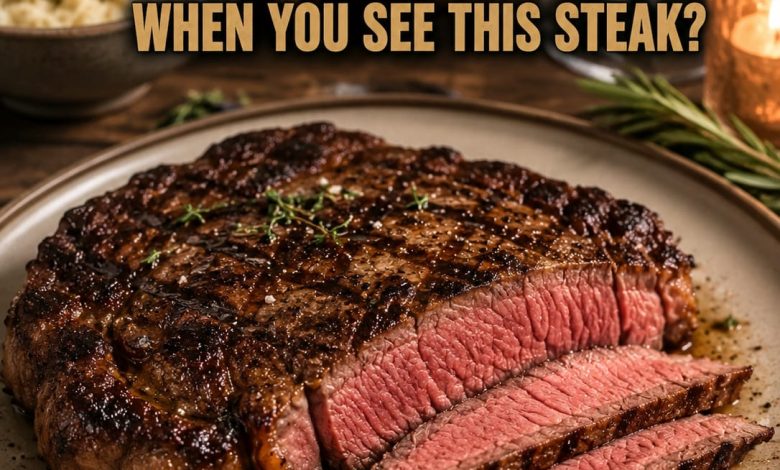
Ribeye is especially good for this cooking method because its natural marbling melts as the steak cooks, keeping the meat rich, tender, and flavorful. A very hot skillet creates the dark caramelized crust, while butter, fresh garlic, rosemary, and thyme add another layer of savory flavor during the final minutes of cooking.
The key to an excellent steak is not covering it with dozens of seasonings. Good beef, proper seasoning, high heat, careful temperature control, and enough resting time are what transform a simple steak into a memorable dinner.
Ingredients
For the Steak
2 thick-cut ribeye steaks, about 12–16 oz (340–450 g) each
1½–2 inches thick
ADVERTISEMENT
1½ teaspoons kosher salt
1 teaspoon freshly ground black pepper
1 tablespoon avocado oil or another high-heat cooking oil
For the Garlic Herb Butter
3 tablespoons unsalted butter
4 garlic cloves, lightly crushed
ADVERTISEMENT
2 sprigs fresh rosemary
4 sprigs fresh thyme
½ teaspoon coarse sea salt, for finishing
Freshly ground black pepper, for finishing
Optional for Serving
Creamy mashed potatoes
ADVERTISEMENT
Roasted or sautéed green beans
Garlic butter mushrooms
Roasted asparagus
Fresh rosemary or thyme
Preparation
1. Prepare the Steaks
Remove the ribeye steaks from the refrigerator about 30 minutes before cooking.
ADVERTISEMENT
Pat the steaks very thoroughly with paper towels. A dry surface is important because excess moisture prevents the meat from developing that beautiful dark crust.
Season both sides and the edges generously with kosher salt and freshly ground black pepper.
Keep the seasoning relatively simple. Ribeye already has plenty of rich beef flavor, so salt and pepper provide an excellent foundation.
2. Preheat the Skillet
Place a heavy cast-iron or stainless-steel skillet over medium-high to high heat.
Allow it to heat for several minutes.
The skillet needs to be properly hot before the steaks are added. This initial heat is what creates the deep brown crust instead of slowly steaming the meat.
Add the high-heat cooking oil and carefully swirl it around the pan.
When the oil is shimmering, you’re ready to cook.
3. Sear the First Side
Carefully place the steaks into the hot skillet.
ADVERTISEMENT
You should immediately hear a strong sizzling sound.
Leave the steaks undisturbed for approximately 2–4 minutes, depending on their thickness.
Avoid constantly lifting or moving them. Leaving the meat in contact with the hot skillet allows a flavorful brown crust to develop.
Once the first side is deeply browned, turn each steak using kitchen tongs.
4. Sear the Second Side
Cook the second side for approximately 2–3 minutes.
If the steaks have a thick strip of fat around the outside, use the tongs to hold the steaks upright against the skillet for approximately 30–60 seconds.
This helps render and brown the exterior fat, adding even more flavor.
Add the Garlic Butter
Reduce the heat slightly.
Add the butter, crushed garlic cloves, rosemary, and thyme to the skillet.
As the butter melts, it will combine with the browned beef drippings and herbs to create an incredibly flavorful mixture.
Tilt the skillet slightly so the melted butter collects along one side.
Using a large spoon, repeatedly spoon the hot garlic-herb butter over the steaks.
Continue basting for approximately 1–2 minutes, turning the steaks if necessary.
The butter should become lightly browned and fragrant without burning.
Cook to Your Preferred Doneness
The most reliable way to cook a thick steak is with an instant-read meat thermometer.
For approximately medium-rare, remove the steak from the skillet around 125–130°F (52–54°C).
For approximately medium, remove it around 135–140°F (57–60°C).
Remember that the internal temperature will continue rising slightly while the steak rests.
Cooking time varies significantly depending on steak thickness, starting temperature, skillet temperature, and desired doneness, so temperature is more dependable than cooking by time alone.
Rest the Steak
Transfer the cooked steaks to a cutting board or warm plate.
Spoon a little of the garlic-herb butter from the skillet over the top.
Allow the steaks to rest for approximately 7–10 minutes before slicing.
Resting is essential because the juices inside the steak need time to redistribute throughout the meat.
If you slice immediately after cooking, much of that flavorful moisture can run onto the cutting board instead of staying inside the steak.
Slice and Serve
After resting, leave the ribeye whole or slice it into thick strips.
If slicing, cut across the grain whenever possible.
Arrange the slices on a warm serving plate and spoon a little more of the browned garlic butter over them.
Finish with coarse sea salt, freshly ground black pepper, and a few fresh thyme leaves.
Serve immediately while the steak is warm and juicy.
How to Get That Beautiful Steakhouse Crust
The dramatic dark crust is one of the most appealing parts of a perfectly cooked steak.
Start by making sure the surface of your steak is extremely dry. Moisture is the enemy of browning.
Next, make sure your skillet is properly preheated before adding the meat.
Don’t overcrowd the skillet. If your pan isn’t large enough to comfortably accommodate two steaks, cook them individually.
Once the steak enters the pan, resist the temptation to move it constantly.
Finally, add butter later in the cooking process rather than at the very beginning. Butter can burn under the intense heat required for the initial sear.
Why Ribeye Works So Well
Ribeye is known for its generous intramuscular fat, commonly called marbling.
As the steak cooks, some of this fat renders and helps keep the meat juicy while contributing a rich beef flavor.
This is why ribeye works particularly well with simple preparations. You don’t need a heavy marinade to make it flavorful.
Salt, black pepper, butter, garlic, and fresh herbs are enough to complement the natural flavor without hiding it.
Optional Compound Butter
For an even richer presentation, prepare a simple compound butter.
Combine:
4 tablespoons softened unsalted butter
1 minced garlic clove
1 teaspoon finely chopped rosemary
1 teaspoon finely chopped parsley
½ teaspoon fresh thyme leaves
Pinch of salt
Freshly ground black pepper
Mix everything together and refrigerate until firm.
Place a small spoonful or slice of the herb butter over each hot steak just before serving. It will slowly melt across the crust.
What to Serve With Ribeye Steak
Creamy mashed potatoes are a classic choice because their mild, buttery flavor pairs perfectly with the rich beef.
Green beans sautéed with garlic and butter provide freshness and a little crunch.
Other excellent options include roasted asparagus, creamed spinach, baked potatoes, crispy roasted potatoes, grilled vegetables, macaroni and cheese, or garlic mushrooms.
For a lighter dinner, pair the steak with a crisp green salad and a simple vinaigrette.
Important Tips for a Better Steak
Choose steaks with visible marbling throughout the meat rather than fat only around the exterior.
Use steaks of similar thickness if you’re cooking several at once.
Pat the meat completely dry before seasoning.
Don’t put a cold, wet steak directly into the skillet.
Use a heavy pan capable of retaining high heat.
Don’t repeatedly flip or press down on the meat with a spatula.
Add fresh garlic and butter toward the end to prevent burning.
Use an instant-read thermometer when precise doneness matters.
Always give the steak several minutes to rest before cutting.
Storage and Reheating
Store leftover cooked steak in an airtight container in the refrigerator for up to 3–4 days.
When reheating, gentle heat is best. High heat can quickly turn a beautifully cooked steak dry and overdone.
You can warm thick slices briefly in a skillet over low heat with a small amount of butter.
Leftover ribeye is also excellent served cold or gently warmed in steak sandwiches, salads, breakfast hash, quesadillas, or steak and eggs.
Conclusion
Garlic Butter Pan-Seared Ribeye Steak proves that an impressive steak dinner doesn’t need a long ingredient list. A beautifully marbled ribeye, generous seasoning, a blazing-hot skillet, and aromatic garlic-herb butter are enough to create a deeply browned exterior while preserving the tender, juicy center.
Serve it alongside buttery mashed potatoes and fresh green vegetables for a timeless steakhouse-style meal at home.
And when you see a thick ribeye with that dark caramelized crust and perfectly juicy center, there’s really only one question left: How do you like your steak cooked—rare, medium-rare, medium, or well-done?