ADVERTISEMENT
Homemade Coconut Cake
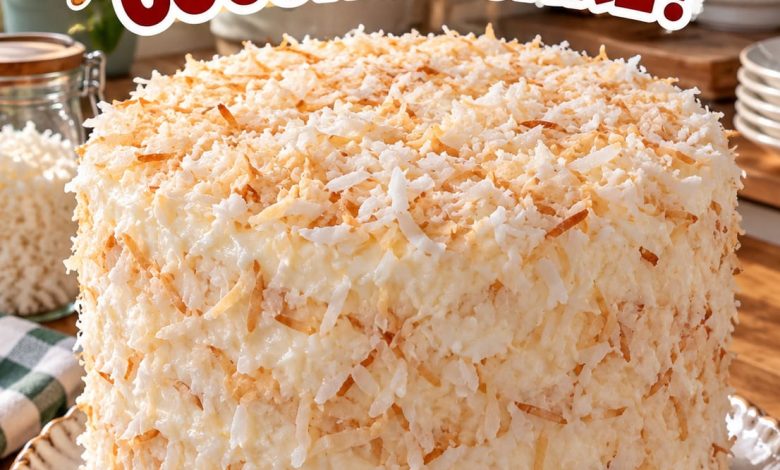
Homemade Coconut Cake is a timeless dessert that brings together soft, tender cake layers, rich coconut flavor, creamy frosting, and a generous coating of shredded coconut. Every slice is moist and fluffy on the inside, while the creamy frosting and lightly toasted coconut create a beautiful finish with plenty of texture.
This is the kind of impressive homemade cake that works wonderfully for birthdays, holidays, Sunday dinners, family gatherings, or any occasion when you want something special on the dessert table. Although the finished cake looks elegant, it can be made at home with familiar baking ingredients and a little patience.
Ingredients
For the Coconut Cake
2 3/4 cups all-purpose flour
2 1/2 teaspoons baking powder
1/2 teaspoon baking soda
ADVERTISEMENT
1/2 teaspoon salt
3/4 cup unsalted butter, softened to room temperature
1 3/4 cups granulated sugar
4 large eggs, room temperature
2 teaspoons pure vanilla extract
ADVERTISEMENT
1 teaspoon coconut extract
1 cup canned coconut milk, well stirred
1/2 cup sour cream, room temperature
1 cup sweetened shredded coconut
For the Creamy Coconut Frosting
1 cup unsalted butter, softened
ADVERTISEMENT
8 ounces cream cheese, softened
4 cups powdered sugar, sifted
2 teaspoons pure vanilla extract
1 teaspoon coconut extract
2–3 tablespoons heavy cream or coconut milk
ADVERTISEMENT
Pinch of salt
For Decorating
2–3 cups sweetened shredded coconut
1/2 cup lightly toasted coconut, optional
Preparation
1. Prepare the Cake Pans
Preheat the oven to 350°F (175°C).
Grease three 8-inch round cake pans with butter or nonstick baking spray. Line the bottoms with parchment paper, then lightly grease the parchment as well.
Preparing the pans carefully will make it much easier to remove the delicate cake layers after baking.
2. Combine the Dry Ingredients
In a medium bowl, whisk together the all-purpose flour, baking powder, baking soda, and salt.
Whisk for about 30 seconds to distribute the leavening ingredients evenly throughout the flour. Set the mixture aside while preparing the wet ingredients.
3. Cream the Butter and Sugar
Place the softened butter and granulated sugar in a large mixing bowl.
ADVERTISEMENT
Using an electric mixer, beat them together on medium-high speed for approximately 3–4 minutes. The mixture should become noticeably lighter in color, fluffy, and creamy.
This step incorporates air into the batter and helps give the finished coconut cake a soft and tender texture.
4. Add the Eggs and Flavoring
Add the eggs one at a time, beating well after each addition.
Scrape down the sides and bottom of the bowl occasionally to ensure everything mixes evenly.
Add the vanilla extract and coconut extract and mix briefly until combined.
5. Add the Coconut Milk and Dry Ingredients
In a separate small bowl, stir together the coconut milk and sour cream until smooth.
With the mixer running on low speed, add approximately one-third of the flour mixture to the butter mixture.
Follow with half of the coconut milk mixture.
Repeat with another third of the flour, followed by the remaining coconut milk mixture.
Finish by adding the remaining flour.
Mix only until the ingredients are combined. Avoid overmixing because this can make the cake heavier instead of light and tender.
6. Fold in the Coconut
Using a spatula, gently fold the shredded coconut into the batter.
Make sure the coconut is distributed evenly without overworking the batter.
The shredded coconut adds additional flavor and a delicate texture throughout every slice.
7. Bake the Cake Layers
Divide the batter evenly between the prepared cake pans and smooth the tops.
Bake for approximately 23–28 minutes, or until the tops are lightly golden and a toothpick inserted into the center comes out clean or with just a few moist crumbs attached.
Avoid overbaking, as coconut cake tastes best when the layers remain moist and tender.
Remove the pans from the oven and allow the cakes to cool inside the pans for approximately 10–15 minutes.
Carefully turn the cakes onto wire racks, remove the parchment paper, and allow them to cool completely before frosting.
8. Prepare the Coconut Frosting
While the cakes are cooling, prepare the frosting.
Place the softened butter and cream cheese in a large mixing bowl. Beat with an electric mixer for approximately 2–3 minutes until completely smooth and creamy.
Gradually add the powdered sugar, about one cup at a time, mixing on low speed after each addition.
Add the vanilla extract, coconut extract, and a small pinch of salt.
Add the heavy cream or coconut milk one tablespoon at a time until the frosting reaches a smooth, fluffy, and easily spreadable consistency.
Increase the mixer to medium-high speed and beat for another 2 minutes to make the frosting especially light and creamy.
9. Assemble the Coconut Cake
Place the first completely cooled cake layer onto a serving plate or cake stand.
Spread a generous, even layer of coconut frosting over the top.
Place the second cake layer over the frosting and repeat.
Finish with the third cake layer.
Spread the remaining frosting generously over the top and sides of the entire cake. Smooth it lightly with a spatula, but it does not need to look perfectly polished because the coconut coating will cover the surface.
10. Add the Coconut Coating
Gently press the shredded coconut onto the sides and top of the frosted cake.
For additional flavor and a beautiful homemade appearance, mix some lightly toasted coconut with the regular shredded coconut before decorating.
Continue adding coconut until the cake is generously covered on all sides.
Clean around the bottom of the serving plate before presenting the cake.
11. Chill Before Serving
For cleaner slices and the best texture, refrigerate the assembled cake for approximately 30–60 minutes before cutting.
Remove it from the refrigerator about 15–20 minutes before serving so the cake and frosting can soften slightly.
Use a sharp knife to cut generous slices, wiping the knife clean between cuts for a neat presentation.
Helpful Tips for the Best Coconut Cake
Always use room-temperature butter, eggs, sour cream, and other refrigerated ingredients whenever possible. Ingredients at similar temperatures combine more evenly and help create a smoother batter.
Do not overmix the cake once the flour has been added. Mix only until no visible streaks of dry flour remain.
Full-fat canned coconut milk provides a richer coconut flavor than refrigerated coconut beverages. Stir the coconut milk thoroughly before measuring because it can naturally separate inside the can.
Allow every cake layer to cool completely before frosting. Even slightly warm cake can cause cream cheese frosting to soften or slide.
For stronger coconut flavor, you can lightly toast part of the shredded coconut. The combination of soft white coconut and golden toasted pieces also gives the finished cake an attractive homemade appearance.
Store leftover cake covered in the refrigerator because the frosting contains cream cheese. For the softest texture, allow individual slices to sit at room temperature briefly before serving.
Conclusion
Homemade Coconut Cake is a wonderfully comforting dessert with everything a classic celebration cake should have—soft layers, creamy frosting, rich coconut flavor, and plenty of shredded coconut covering every bite. The combination of coconut milk, sour cream, and butter keeps the cake beautifully tender while the cream cheese frosting provides a rich, smooth contrast.
Whether you prepare it for a holiday celebration, birthday, family dinner, or simply because you love coconut desserts, this tall homemade cake makes an impressive centerpiece. Cut into it to reveal the tender layers inside, serve generous slices, and enjoy the combination of creamy, fluffy, and lightly toasted coconut flavors.
Would you eat a big slice of this Homemade Coconut Cake?